

Arthroscopy in Vijayawada
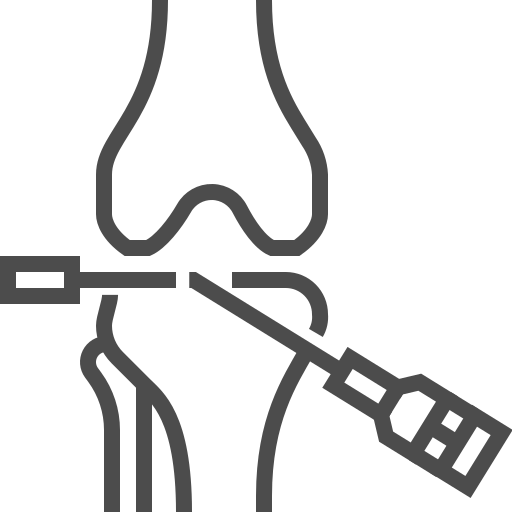
Arthroscopy surgery in Vijayawada is a minimally invasive surgical procedure used to diagnose and treat joint problems by inserting a small camera, called an arthroscope, into the joint through tiny incisions. This technique provides a clear, magnified view of the interior structures, allowing surgeons to perform repairs or remove damaged tissue with specialized instruments. Commonly used for shoulder, knee, elbow, and ankle joints, arthroscopy offers benefits such as reduced pain, shorter recovery times, and minimal scarring compared to traditional open surgery. It is an invaluable tool in modern orthopedics, enabling precise intervention while preserving joint integrity, and improving patient outcomes.
What is an Arthroscope
An arthroscope is a specialized medical instrument used by orthopedic surgeons to visualize, diagnose, and treat joint conditions minimally invasively. Comprising a small camera attached to a fiber-optic system, it is inserted through tiny incisions around the joint, providing real-time images on a monitor. Commonly utilized for knee, shoulder, or ankle procedures, the arthroscope allows for precise examination of internal joint structures such as cartilage, ligaments, and synovial tissue. Minimally invasive arthroscopy in Vijayawada results in reduced pain, quicker recovery times, and less scarring, making it a valuable tool in modern orthopedic treatment for joint injuries and degenerative diseases.
Arthroscopic Surgery
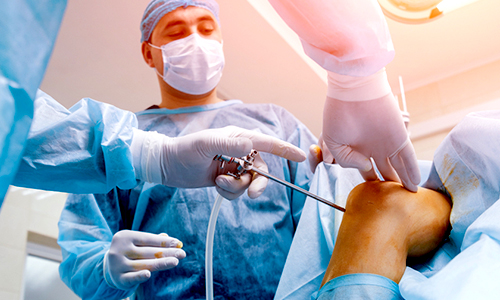
During arthroscopic surgery, a minimally invasive procedure used to diagnose and treat joint problems, the surgeon begins by making small incisions, typically less than a centimeter, around the affected joint. Through these tiny openings, a specialized instrument called an arthroscope—a small camera equipped with a light—is inserted, providing real-time, high-definition images of the inside of the joint on a monitor. This visual guidance allows the surgeon to carefully examine the joint's structures, such as cartilage, ligaments, and the synovial membrane, with minimal disruption to surrounding tissues. Depending on the diagnosis, the best arthroscopic surgeon in Vijayawada can perform various procedures through the same small incisions, such as removing loose bodies, repairing torn ligaments or cartilage, or trimming damaged tissue. Throughout the operation, sterile saline solution is often infused into the joint to expand the space, improve visibility, and flush out debris. Arthroscopic joint surgery in Vijayawada is typically quicker and less painful than traditional open surgery, resulting in shorter hospital stays and faster recovery times. After completing the necessary repairs or diagnostic steps, the surgeon carefully withdraws the arthroscope and instruments, and the small incisions are closed with sutures or adhesive strips. Postoperative care usually involves rest, ice, compression, and elevation, along with physical therapy to restore joint function and strength. Arthroscopic surgery's precision and minimally invasive nature have revolutionized the treatment of joint issues, offering patients effective relief with reduced complications and a quicker return to daily activities.
Our More Specializations
Joints examined with Arthroscopy
- Knee Joint
Knee arthroscopy in Vijayawada, is done primarily to diagnose and treat meniscal tears, ligament injuries (such as ACL tears), cartilage damage, and synovial pathologies. Its accessibility and high incidence of injuries make it a frequent candidate for arthroscopy.
- Shoulder Joint
Shoulder arthroscopy in Vijayawada allows for detailed evaluation and management of rotator cuff tears, labral tears, impingement syndrome, and shoulder instability. The minimally invasive nature facilitates effective treatment of complex shoulder conditions.
- Ankle Joint
Ankle arthroscopy in Vijayawada is often performed for persistent ankle pain, osteochondral lesions, ligamentous injuries, and synovitis. It aids in precise visualization and minimally invasive repair, especially for osteochondral defects.
- Wrist Joint
Wrist arthroscopy in Vijayawada is used to assess and treat ligament injuries, TFCC (triangular fibrocartilage complex) tears, and loose bodies. Its ability to diagnose subtle intra-articular pathology makes it valuable in chronic wrist conditions.
- Hip Joint
Though technically more challenging, hip arthroscopy in Vijayawada is increasingly used for femoroacetabular impingement, labral tears, and cartilage damage, offering a less invasive alternative to open surgery. These joints are prioritized in arthroscopy due to their accessibility, prevalence of injuries, and the benefits of minimally invasive procedures, enhancing diagnostic accuracy and therapeutic outcomes.
Conditions frequently associated with Arthroscopy
Arthroscopy is a minimally invasive surgical procedure used to diagnose and treat various joint conditions, often revealing multiple concurrent issues.
- Meniscal tears are commonly identified, especially in the knee, where damaged cartilage can cause pain and instability.
- Ligament injuries such as anterior cruciate ligament (acl) tears are frequently diagnosed, often requiring concurrent reconstruction.
- Chondral lesions or cartilage damage are prevalent findings, leading to joint pain and degeneration.
- Synovitis or inflammation of the joint lining is often observed, contributing to swelling and discomfort.
- Loose bodies, such as fragments of cartilage or bone, are regularly found floating within the joint space, causing mechanical symptoms.
- In cases of rotator cuff tears, arthroscopy often uncovers partial or full-thickness tears contributing to shoulder pain.
- Adhesive capsulitis or frozen shoulder, with thickened joint capsule, can be diagnosed during shoulder arthroscopy.
- Degenerative changes, including osteoarthritis signs like worn cartilage and osteophytes, are common findings, especially in older patients, informing both diagnosis and management strategies.
Post Surgery
Following your arthroscopy, you'll be moved to a designated recovery area for a few hours before heading home. Your post-operative care may involve taking prescribed medications to manage pain and reduce inflammation, as well as following the R.I.C.E. protocol—rest, ice, compression, and elevation—to minimize swelling and discomfort at home. You might also need to use supportive devices like slings or crutches temporarily for added protection and comfort. Additionally, your healthcare provider may recommend specific physical therapy exercises to strengthen your muscles and enhance joint function. It's important to contact your surgical team promptly if you notice symptoms such as a persistent fever, unrelieved pain, wound drainage, increased swelling, skin discoloration, or new numbness or tingling sensations.
Recovery
Consult with the best Orthopedician in Vijayawada to determine when it's safe to resume various activities, as recovery timelines can differ based on individual circumstances. Typically, you might return to desk work and light tasks within a few days, start driving in about 1 to 4 weeks, and gradually engage in more intense activities a few weeks afterward. Keep in mind that your recovery may take longer depending on your specific condition and response to surgery. Your surgical team will discuss the results of your arthroscopy with you promptly and will continue to monitor your healing through follow-up appointments, addressing any concerns or complications that may arise during your rehabilitation process.