

Hip Replacement Surgery in Vijayawada

What is Hip replacement Surgery?
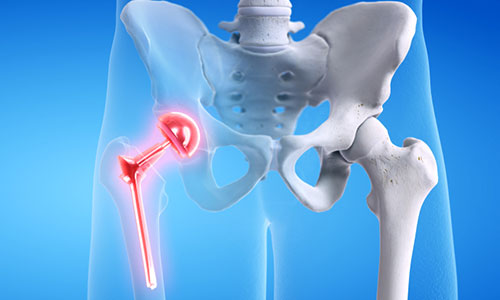
Hip replacement surgery, or hip arthroplasty, involves removing damaged or diseased sections of the hip joint and replacing them with artificial components to alleviate pain and improve function. The natural joint comprises a rounded head of the femur fitting into the hip socket in the pelvis, but during the procedure, these surfaces are substituted with durable, synthetic implants to restore smooth movement and stability. The main goal of Hip replacement surgery in Vijayawada is to relieve chronic pain, enhance joint mobility, and enable patients to resume everyday activities and physical pursuits with greater ease and comfort, ultimately improving their overall well-being and quality of life.
Need for Hip replacement Surgery
A total hip replacement in Vijayawada is often recommended when severe pain, ongoing inflammation, and significant joint damage from conditions like osteoarthritis, rheumatoid arthritis, osteonecrosis, or injuries hinder daily activities and quality of life. While conservative treatments such as medications, physical therapy, or injections are typically tried first, persistent pain that disrupts sleep, impairs mobility, and limits participation in normal activities may indicate the need for surgery. The procedure involves substituting the damaged joint with a prosthetic implant to relieve pain, restore function, and enable a more active, comfortable lifestyle, with the decision based on the extent of joint deterioration, overall health, and activity goals.
Factors that influence hip replacement
When planning for hip replacement surgery, your doctor will evaluate a variety of factors to determine the most appropriate type of procedure tailored to your individual needs. These factors include the extent of joint damage, the underlying cause of your hip issues, your age, activity level, and overall health status, as well as bone quality and anatomy. Additionally, the presence of other medical conditions such as osteoporosis or arthritis, your pain severity, and your expectations for post-surgery activity will influence the choice between partial or total hip replacement and the specific surgical techniques or prosthetic materials used. The specialist at the hip replacement hospital in Vijayawada will also consider the potential for future revisions and aim to select a solution that optimizes durability, function, and recovery time, ensuring a personalized approach that aligns with your lifestyle and long-term health goals.
Our More Specializations
Types of Hip Replacement
Total v/s Partial Hip Replacement
Total hip replacement (THR) involves replacing both the femoral head and the acetabulum with prosthetic components to restore joint function and alleviate pain, often indicated for severe arthritis or joint damage. In contrast, partial or hemiarthroplasty targets only the femoral head, preserving the natural socket, making it suitable for conditions like femoral neck fractures.
Anterior, Posterior and Lateral Hip Replacement
Surgical approaches to hip replacement vary anterior approaches access the joint from the front, minimizing muscle disruption and potentially speeding recovery; lateral approaches from the side offer good visualization while sparing key muscles; and posterior approaches from behind provide excellent access for complex cases but carry a higher dislocation risk.
Minimally Invasive Hip Replacement
Minimally invasive hip surgery in Vijayawada, applicable across different approaches, utilize smaller incisions and gentle tissue handling to reduce blood loss, postoperative pain, and recovery time, with the anterior approach often favored for its minimally invasive benefits. However, suitability depends on individual factors such as age and health.
Traditional Hip Replacement
Traditional Hip Replacement in Vijayawada typically involves larger incisions, often from the lateral or posterior approach, requiring muscle detachment and reattachment, leading to longer recovery and higher dislocation risks.
Surgeons tailor the choice of procedure and approach based on the patient's specific condition, functional needs, and health status, emphasizing the importance of thorough preoperative discussion to determine the most appropriate technique.
The Procedure
Hip replacement surgery typically involves several key steps, beginning with the placement of an IV line and possibly a urinary catheter, followed by anesthesia—either general or epidural—based on medical advice. The best hip replacement surgeon in Vijayawada then positions the patient and makes an incision according to the chosen approach (front, back, or side). The damaged femoral head is removed, and an opening is created in the femur to insert the prosthetic stem, which may be cemented or press-fit, topped with a ceramic ball. The damaged acetabulum (hip socket) is cleaned and a new cup is attached. The surgeon tests the joint's function by moving the leg, then closes the layers of tissue with dissolvable stitches and surgical glue, eliminating the need for stitch removal. Post-operation, patients go to the recovery room for a few hours before being transferred to a hospital room, with some able to go home the same day depending on their recovery.
Duration of Procedure
Typically, a hip replacement procedure takes around two hours, though this duration can vary depending on factors such as whether a partial or double hip replacement is performed, with the latter generally requiring more time. Unexpected complications during surgery can also prolong the procedure. Postoperative imaging, like X-rays, is often necessary immediately after surgery and during recovery to ensure the implant is properly positioned, confirm successful healing, and monitor for any issues that may arise during the healing process.
Recovery
Hip replacement recovery begins immediately post-surgery, with early mobilization encouraged to promote healing; patients without complicating health issues can often go home once they demonstrate the ability to walk, use stairs, and get in and out of a car, though some may require inpatient rehabilitation to build strength and independence. Throughout the recovery process, physical and occupational therapy play vital roles in restoring muscle strength, flexibility, and functional mobility, guided by healthcare providers who will advise when you are ready to walk unaided and how to manage pain effectively. To ensure optimal healing, it’s essential to keep the surgical site clean and dry, adhere to medication and follow-up schedules with the Best Orthopedic specialist in Vijayawada, participate in prescribed exercises, and avoid driving until cleared by your doctor, while monitoring for signs of infection or complications such as increased swelling or drainage, which should be reported promptly.
Risks of Replacement Surgery
While hip replacement surgery generally results in positive outcomes, it carries potential risks such as bleeding, infection, blood clots, nerve injury, fracture, persistent pain or stiffness, dislocation, prosthesis loosening, and in rare cases, fat embolism that may lead to heart attack or stroke. It's essential to discuss your individual risk factors with your healthcare provider beforehand. Post-operatively, seek medical attention if you experience symptoms like persistent fever, unusual swelling, redness, drainage from the incision, escalating pain, calf swelling, or chest pain and shortness of breath, as these could indicate complications requiring prompt evaluation.
Revision Hip Replacement Surgery
Hip implants typically last at least 20 years, but they can wear out, loosen, or sustain damage due to injury or dislocation, potentially necessitating revision hip replacement surgery in Vijayawada to replace the affected components. To prolong their lifespan, patients are advised to engage in regular low-impact activities, steer clear of high-impact exercises like jogging and take measures to prevent falls. Although rare, infections pose a serious risk as bacteria can settle in the prosthetic area via the bloodstream, often requiring removal of infected tissue, antibiotic treatment, and possibly a subsequent revision to re-implant a new prosthesis once the infection clears. For those with partial hip replacements that only involve the ball of the joint, future revision procedures might also be needed to replace the socket component as part of ongoing joint health management.